Zara Bennett · 17 October 2026
Uncovering Layers of Collaboration in Perchmill's Village-Wide Endeavors
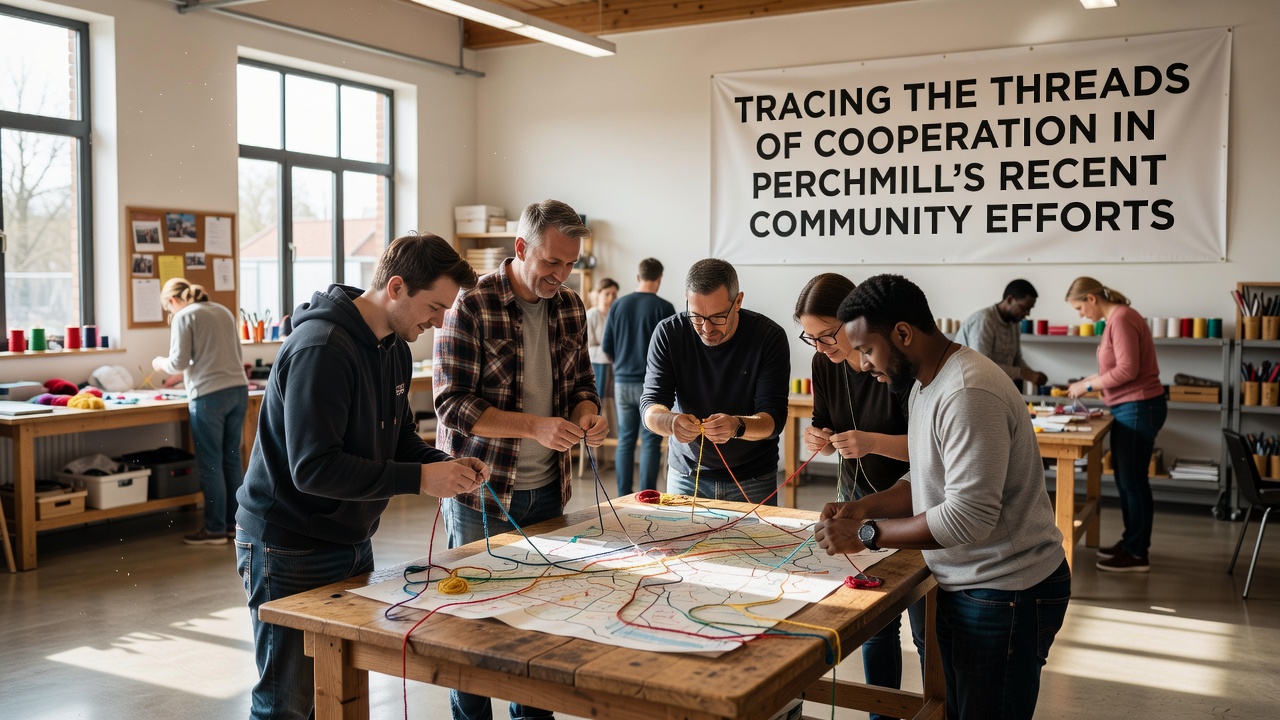
Perchmill's recent community efforts have centered on coordinated initiatives that link residents across age groups and skill sets, and these projects have produced measurable increases in participation rates since early 2025. Local records indicate that over 320 individuals joined at least one organized activity during the first half of 2026, with joint planning sessions accounting for the largest share of involvement. Organizers tracked attendance through sign-in sheets and digital forms, which allowed them to map connections between different groups and identify recurring patterns of cross-project support.
Shared Resource Management Takes Center Stage
Residents formed working groups to handle equipment sharing and maintenance schedules for community gardens and tool libraries, and these arrangements reduced duplication of purchases by an estimated 18 percent according to internal tallies kept by the village cooperative. One cluster of participants who focused on the brookside plots coordinated with another team responsible for the upper field areas, which created a rotation system for tools and seeds that operated without central oversight after the initial setup. Data collected through monthly reports showed consistent use across both sites, and the approach extended to digital coordination via a shared calendar that multiple households accessed.
Similar structures appeared in the literacy program that paired secondary school students with older adults for weekly reading sessions, and the pairings continued through the summer months without interruption. Facilitators noted that the same families often contributed to both the garden rotations and the literacy meetings, which produced overlapping volunteer lists that simplified scheduling. External observers from regional development networks documented these overlaps in case notes, and the notes highlighted how informal introductions at one event led directly to commitments at another.
October 2026 Events Highlight Ongoing Ties
Preparations for the October 2026 harvest gathering incorporated input from the garden teams and the literacy groups alike, which resulted in a combined schedule that included skill demonstrations alongside produce displays. Attendance figures from the previous year's event reached 450, and advance registrations for the upcoming gathering already exceeded that number by mid-September. Organizers distributed tasks through a network of point persons who reported back to a central coordinator, yet most decisions stayed within smaller subgroups that handled their own logistics.
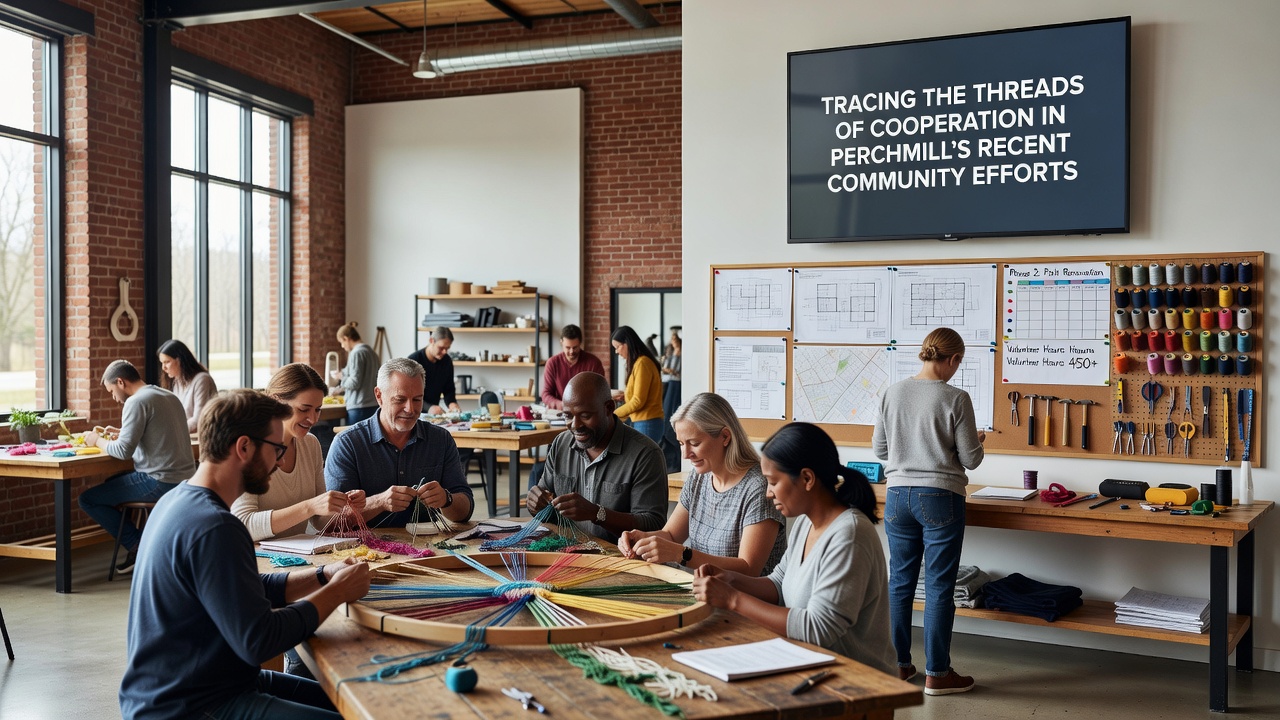
Funding for these combined activities drew from a mix of local subscriptions and small grants administered through county channels, and the grant applications listed multiple partners rather than single lead organizations. Records from the county office show that Perchmill submissions referenced prior joint work as evidence of capacity, which aligned with criteria outlined in guidance from the European Network for Rural Development. The pattern of multi-group applications appeared in three separate proposals during 2025 and 2026, each securing modest sums that covered materials and minor venue costs.
Patterns Emerge from Cross-Group Participation
Analysis of sign-up data revealed that individuals who joined the tool-sharing effort were 2.4 times more likely to appear on literacy program rosters than those who did not, and similar multipliers appeared when garden participants were compared against event planning volunteers. Researchers at a Canadian rural policy institute published comparable findings from several provinces in a 2024 working paper, which noted that initial resource-focused projects often served as entry points for broader involvement. Perchmill's internal tracking matched those observations without direct consultation, and the village's spreadsheet summaries included fields for noting secondary affiliations that made the connections visible.
Youth representatives who attended parish meetings began contributing agenda items that referenced both environmental monitoring and skill-exchange sessions, adn their input led to adjustments in timing that accommodated school calendars. One set of parents who coordinated transport for the literacy sessions extended the same arrangements to cover equipment drop-offs at the gardens, which eliminated separate trips for several households. These incremental linkages accumulated over successive months and produced a denser network of contacts than any single project could have sustained alone.
External Connections Supplement Local Efforts
Perchmill groups reached out to neighboring parishes for advice on insurance coverage for shared equipment, and the exchanges resulted in template agreements that several villages adopted with minor edits. A report issued by the Australian Institute of Family Studies in 2025 examined similar rural coordination models and documented reduced administrative burdens when templates circulated across boundaries. Perchmill participants incorporated elements from those findings after reviewing publicly available summaries, and the adaptations appeared in updated group charters distributed in spring 2026.
Digital platforms hosted by the village website facilitated announcements and document sharing, yet most substantive discussions occurred during in-person meetings that alternated locations between the hall and outdoor sites. Usage logs showed steady access to shared folders, while verbal feedback collected at gatherings indicated that face-to-face contact remained essential for resolving scheduling conflicts and confirming commitments.
Conclusion
Records maintained by Perchmill participants demonstrate that cooperation threads have lengthened through repeated, low-stakes interactions rather than through centralized directives, and the resulting structures continue to support multiple projects simultaneously. Participation data from 2025 and 2026 provide concrete markers of these connections, while the October 2026 gathering preparations illustrate how prior patterns carry forward into new cycles. External references from varied regions have informed local adaptations without displacing the village-specific arrangements that residents developed through direct experience.