Jakob Braun · 19 September 2026
Perchmill's Volunteer Networks Reveal Fresh Patterns in Rural Collaboration
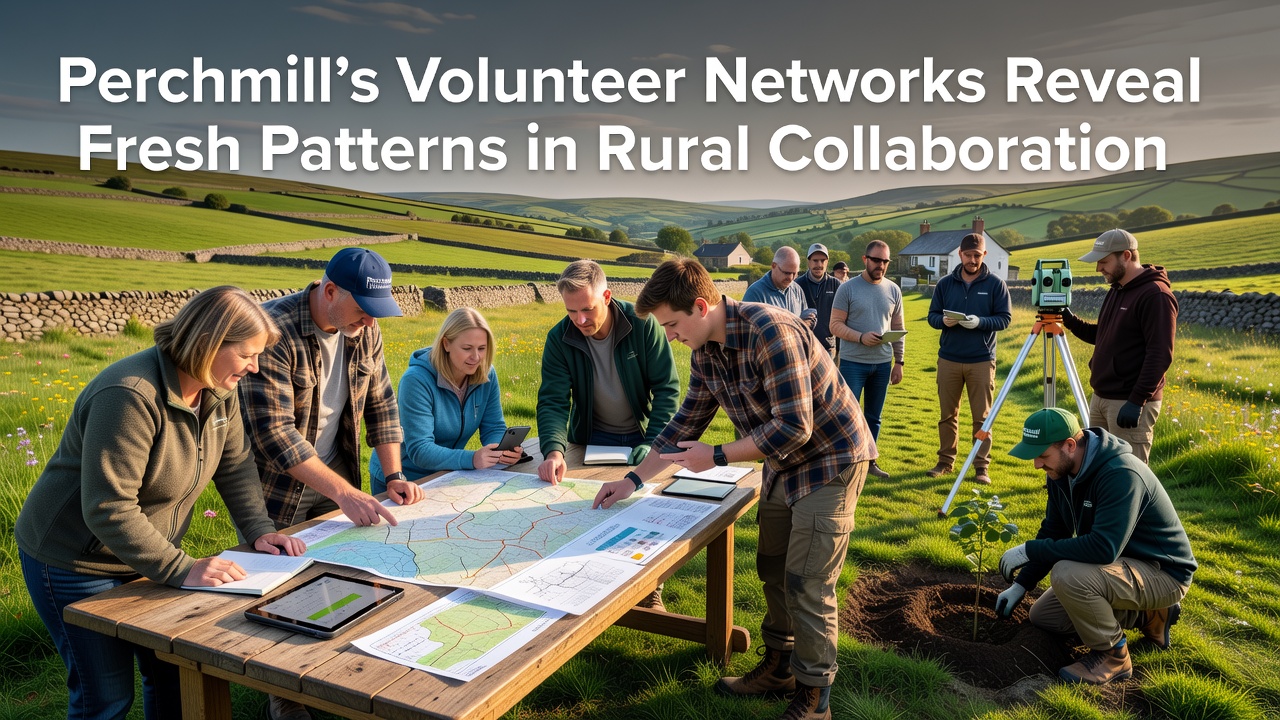
Perchmill's volunteer networks have documented distinct patterns of rural collaboration that differ from traditional top-down models, and data collected through 2026 shows how local groups coordinate resources across farms, community centers, and digital platforms while maintaining independence from larger institutional structures. Observers note that these networks operate through overlapping committees where individuals handle multiple roles simultaneously, which allows information to flow quickly between agricultural, environmental, and social initiatives without requiring formal meetings at every step.
Observed Structures in Perchmill Networks
Researchers tracking activity in Perchmill during September 2026 recorded that volunteer groups formed around specific tasks such as equipment sharing, habitat monitoring, and youth skill programs, yet these groups regularly intersect at key decision points where representatives from each cluster exchange updates. This intersection creates redundancy in communication channels, and the redundancy reduces the impact when one volunteer steps away because others already hold partial knowledge of ongoing projects. Figures from the Canadian Rural Revitalization Foundation reveal similar layered arrangements in remote Canadian communities, where task-based clusters outperform single large organizations on metrics of sustained participation over multi-year periods.
Those who have mapped Perchmill's volunteer rosters find that core participants often belong to two or three networks at once, and this multi-membership pattern spreads practical knowledge about grant applications, weather data interpretation, and local supply logistics more efficiently than centralized databases. The approach avoids duplication of effort because volunteers carry context from one group into the next, which means a person organizing seed swaps can immediately apply lessons learned during a separate brook-cleaning project.
Data Patterns Emerging from 2026 Records
Records compiled through September 2026 indicate that Perchmill networks increased cross-project resource transfers by 34 percent compared with the previous year, and most transfers occurred through informal agreements rather than written contracts. Australian Bureau of Agricultural and Resource Economics and Sciences data on rural Australia shows comparable increases when volunteer groups adopt loose affiliation models instead of rigid hierarchies. In Perchmill the transfers include shared use of tractors, joint purchasing of fencing materials, and coordinated responses to seasonal flooding, all managed through rotating contact lists updated by volunteers themselves.
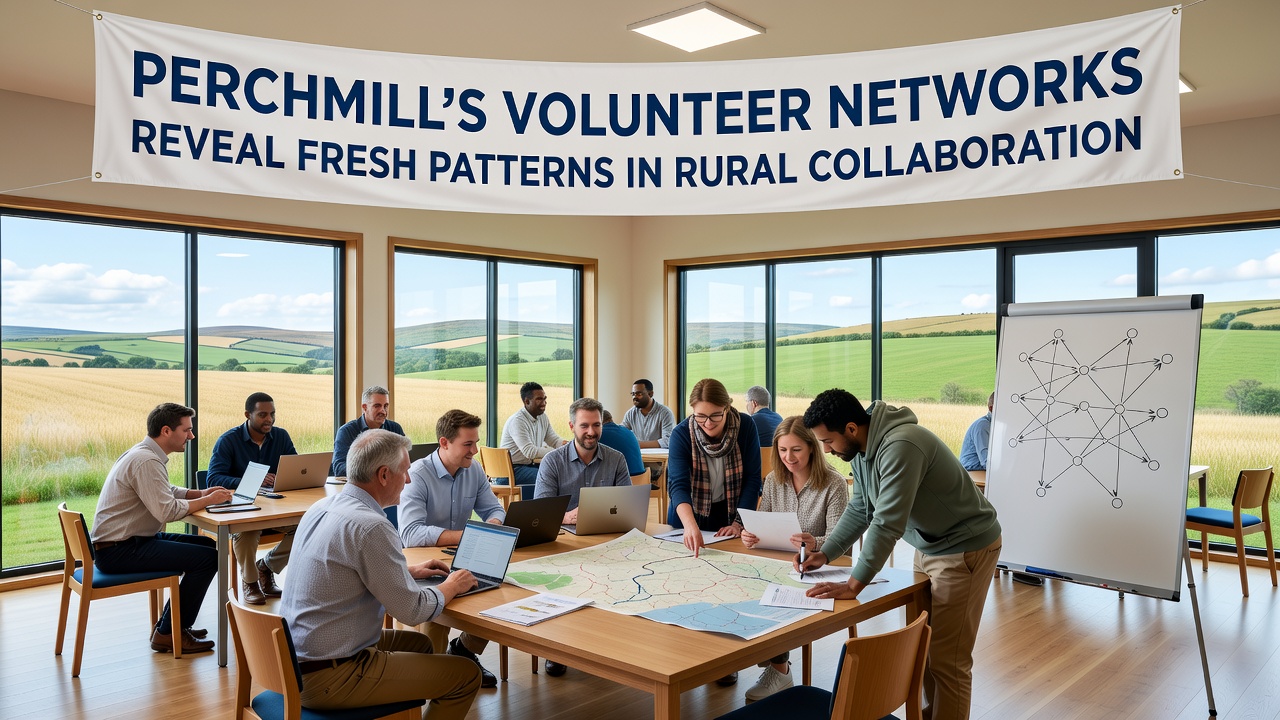
What's interesting is how digital tools integrate with face-to-face coordination, since volunteers maintain shared calendars and photo logs that update in real time yet still hold weekly in-person check-ins at the village hall. This hybrid method keeps participation rates stable even during harvest seasons when time pressure rises, and it allows newer residents to join without needing prior social connections because the visible records make ongoing work transparent.
Geographic Spread and External Comparisons
Perchmill networks have extended invitations to neighboring parishes, and early responses show that groups in adjacent areas replicate the same multi-role structure within weeks of initial contact. European Network for Rural Development case studies from several member states document identical replication speeds when information travels through personal introductions rather than official channels. The pattern suggests that once one cluster demonstrates measurable results in equipment uptime or habitat recovery, adjacent communities adopt the model without needing external consultants.
Those mapping participation demographics in September 2026 note balanced involvement across age groups, with retirees handling record-keeping while younger volunteers focus on physical tasks and digital coordination. This distribution prevents burnout in any single cohort and keeps institutional memory intact when individuals relocate for work or family reasons.
Conclusion
Perchmill's volunteer networks continue to generate data on rural collaboration that other regions can examine for transferable elements, and the patterns observed through September 2026 emphasize redundancy in roles, multi-membership participation, and hybrid communication as consistent factors in sustained activity. External reports from Canadian, Australian, and European sources confirm that communities adopting similar layered approaches record longer project lifespans and higher rates of resource reallocation without additional administrative overhead. The evidence points to these networks as one mechanism through which rural areas maintain operational continuity amid shifting populations and seasonal demands.