Jakob Braun · 3 October 2026
Perchmill's Community Projects Spark Fresh Approaches to Rural Skill Sharing
Perchmill's latest community initiatives have introduced structured programs that connect local residents with practical skill-building opportunities across farming techniques, digital tools, and traditional crafts, with activities scheduled to expand further during October 2026.
Organizers have coordinated weekly sessions where experienced farmers demonstrate soil management methods to newer residents, while separate groups focus on basic coding and online marketing for small businesses operating in remote areas, and these efforts draw from established models seen in similar rural settings worldwide.
Project Structure and Participant Involvement
Local coordinators divided the programs into three main tracks that run simultaneously, allowing participants to select based on their needs, and registration data from the past year shows steady attendance with over 200 individuals taking part in at least one module since the initiative began.
One track covers agricultural updates such as crop rotation adjustments for changing weather patterns, another addresses equipment repair using modern diagnostic apps, and the third explores heritage skills like weaving and woodworking that still hold economic value in the region.
Skill Sharing Sessions in Practice
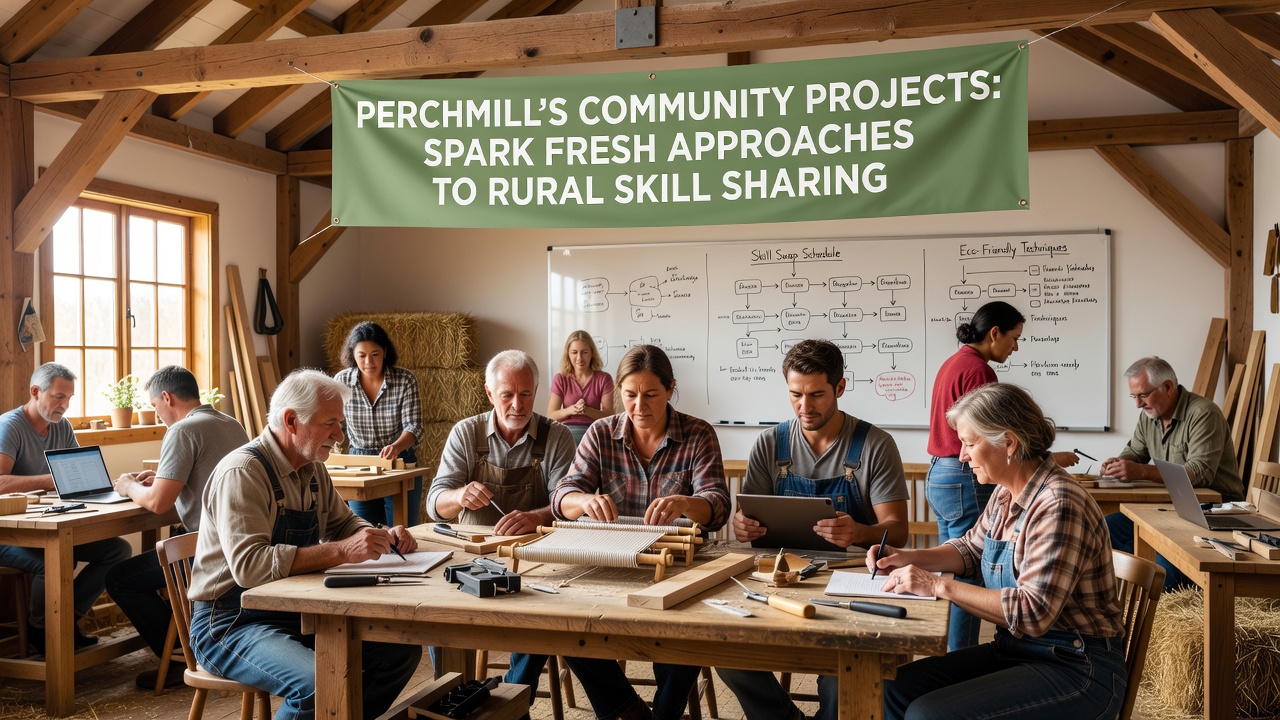
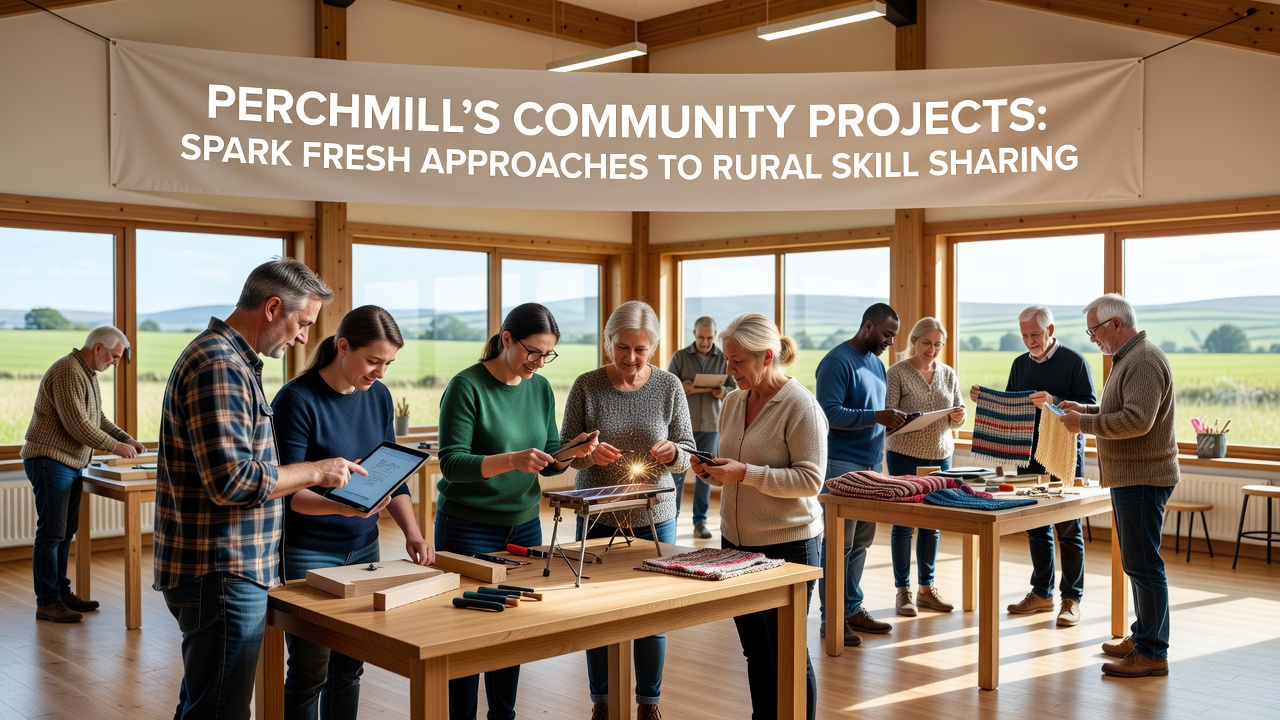
Workshops occur at the village hall and nearby fields, where instructors combine demonstrations with hands-on practice, and attendees often pair up to reinforce learning through direct application before the next meeting.
Records indicate that sessions in the first half of 2026 covered topics from drone-assisted field monitoring to preserving local recipes through digital archiving, while planners have set aside dedicated time in October 2026 for advanced modules on sustainable energy installation for farms.
Community feedback collected through anonymous surveys reveals that 78 percent of participants reported applying at least one new technique within two weeks of completing a session, and cross-referencing with regional agricultural reports confirms alignment with broader trends in knowledge transfer.
Connections to Wider Rural Development Patterns
Observers note that these projects mirror approaches documented in reports from Agriculture and Agri-Food Canada, where similar peer-to-peer networks have supported knowledge exchange in isolated communities since the early 2010s, and Perchmill organizers have adapted those frameworks to fit local geography and seasonal demands.
Additional reference points come from Australian studies on rural education, which highlight the role of scheduled gatherings in maintaining engagement over time, and the Perchmill model incorporates monthly review meetings to adjust content based on attendance and outcome tracking.
Funding for the current cycle stems from a combination of parish allocations and small grants aimed at digital inclusion, with expenditures detailed in public meeting minutes that list materials, venue costs, and instructor stipends separately.
October 2026 Milestones and Next Steps
Planners have scheduled a multi-day skill fair for mid-October 2026 that will bring together participants from neighboring villages, and the event will feature live demonstrations alongside portable exhibits on topics such as beekeeping updates and basic machinery calibration.
Logistics include shuttle arrangements for those without transport and provisions for weather contingencies, while organizers continue to refine the agenda based on preliminary sign-ups that have already exceeded initial projections.
Data from comparable events in other districts suggests that such gatherings can lead to sustained informal networks that continue skill exchange outside formal sessions, and Perchmill coordinators plan to monitor follow-up activity through optional check-ins over the following months.
Conclusion
The ongoing work in Perchmill illustrates how targeted community projects can systematize skill sharing in rural contexts, drawing on both traditional practices and emerging tools to support resident participation, and records from the program continue to provide measurable indicators of involvement and application as activities progress into late 2026.