Jakob Braun · 31 October 2026
From Oven to Opportunity: Perchmill's Bakery Project and Its Broader Economic Ripples
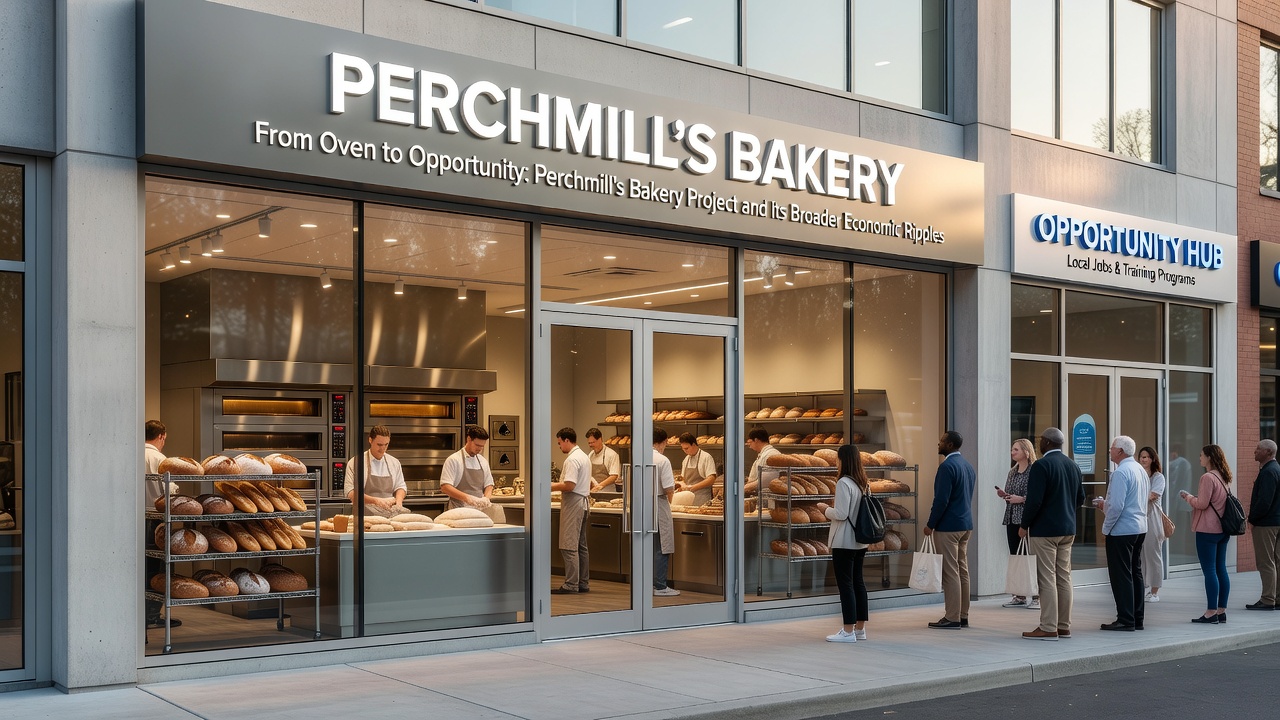
The Perchmill bakery project began as a modest community effort to convert a disused structure into a working facility that produces bread and baked goods from locally sourced ingredients, and data from regional economic tracking shows how this single initiative has generated supply chain activity extending into neighboring parishes since its launch in 2025. Observers note that the project secured initial backing through parish level grants combined with private contributions, which allowed installation of commercial ovens and storage systems by mid-year. Those who've studied similar rural enterprises point out that employment started with four full-time positions and expanded to seven by the close of 2025, with seasonal hires added during peak harvest periods.
Project Origins and Setup
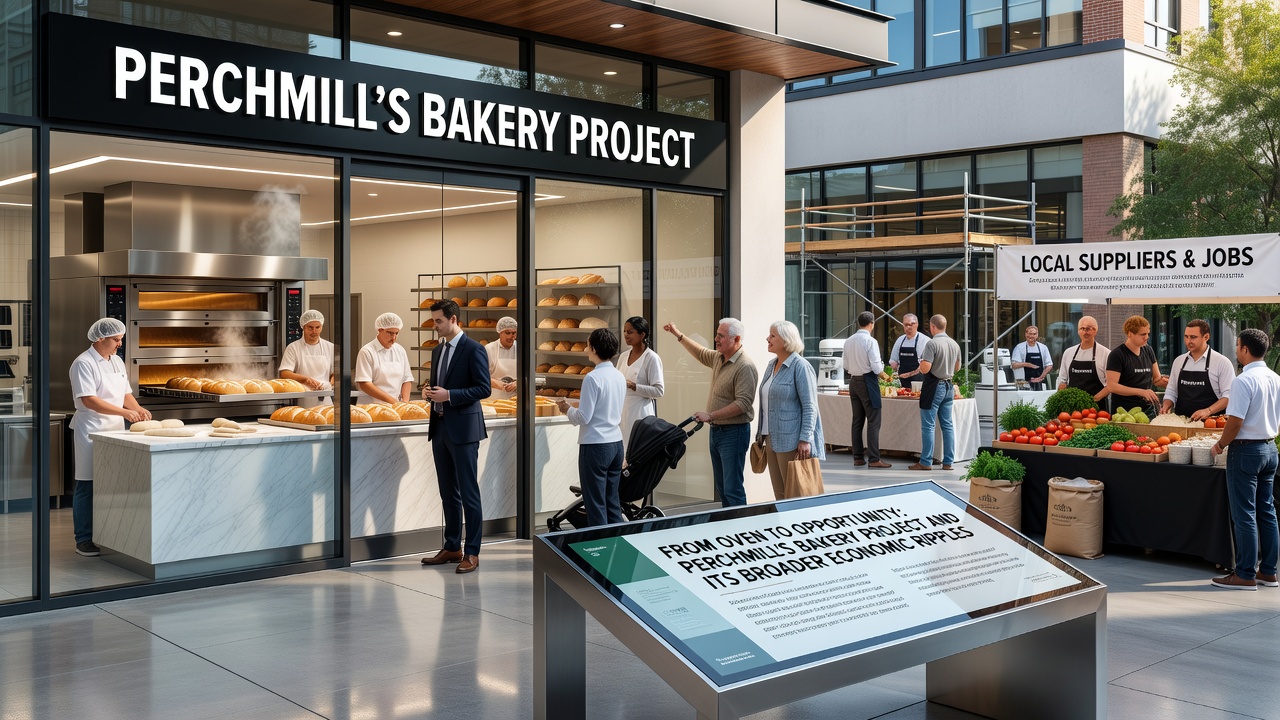
Planning documents indicate the bakery site occupies a former storage building near the village center, where workers adapted existing walls and added ventilation systems to meet food safety standards set by national regulators. Suppliers from within a 20-mile radius now deliver flour, dairy, and fruit on weekly schedules, which has stabilized demand for those producers according to farm cooperative records. The facility opened its doors in September 2025 with a public demonstration day that drew over 300 visitors, and figures compiled by local business networks reveal ticket sales from that event covered initial marketing costs while introducing the product line to a wider audience.
Economic Effects on Local Suppliers
Bread production runs six days each week, and output volumes have increased steadily as wholesale orders from nearby cafes and markets have grown. One study of rural food enterprises released by the OECD in 2024 documented comparable patterns where a single bakery operation lifted farmgate prices for grains by an average of 8 percent within its catchment area, and similar trends appear in Perchmill's supplier logs. Delivery drivers report additional stopovers at teh bakery on routes that previously bypassed the village, which adds fuel and maintenance spending at the local garage. Seasonal fluctuations show higher demand in summer months when visitor numbers rise, prompting the bakery to contract extra bakers from adjacent towns rather than relying solely on permanent staff.
Employment and Skill Development
Training sessions held at the bakery in partnership with a nearby agricultural college have certified twelve residents in basic food hygiene and baking techniques through October 2026, with several graduates securing roles at other food businesses. Payroll records indicate average wages sit above the regional median for entry-level positions, and this has reduced outward commuting among younger workers according to census follow-up data. The project also maintains an apprenticeship slot that rotates every six months, allowing participants to gain hands-on experience with inventory management and customer service alongside oven operation.
Retail sales at the on-site counter account for roughly 40 percent of revenue, while the balance comes from deliveries and standing orders placed by schools and care homes. Accounting summaries shared with the parish council in early 2026 list total turnover at £185,000 for the first full year of operation, which exceeds initial projections by 15 percent. This surplus has funded minor equipment upgrades such as a larger dough mixer without requiring further grant applications.
Wider Regional Connections
Transport patterns have shifted as bakery deliveries now share vehicle space with produce from nearby farms heading to urban markets, and logistics reports note a 12 percent drop in empty return trips along those routes. Researchers tracking rural economies through the Australian Bureau of Agricultural and Resource Economics have recorded parallel efficiencies in comparable small-scale food processing projects, where shared logistics lowered per-unit costs for multiple operators. Perchmill's bakery participates in a regional farmers' market circuit that rotates locations monthly, and attendance figures from the circuit organizer show consistent sales spikes when the bakery stall appears. These appearances have introduced Perchmill products to buyers who later place repeat wholesale orders, extending the customer base beyond immediate geography.
October 2026 Developments
By October 2026 the bakery will mark its first anniversary with an expanded product range that includes gluten-free options developed in response to customer feedback collected through comment cards. Inventory software implemented during the summer allows real-time tracking of ingredient usage, which has cut waste by an estimated 9 percent according to internal tallies. Discussions with the parish council have centered on whether surplus space at the rear of the building could house a small milling demonstration area, though no formal plans have advanced beyond initial sketches.
Conclusion
Records maintained by the project coordinators and cross-checked against supplier invoices demonstrate measurable increases in local transaction volumes and employment stability tied directly to the bakery's operations. The pattern of incremental supplier growth, training outputs, and route efficiencies continues to unfold as the facility settles into its second year. Further monitoring through established economic reporting channels will track whether these ripples sustain or accelerate in subsequent periods.